online-education
Comparing learning formats: which one is right for you?
10 min read
online-education
When you're looking for a way to learn a language, you'll find dozens of options. Some of them promise you fluency in a month. Some of them offer very low prices. Some look professional but are far from what you need. How to choose?
There is no single formula that is best for everyone. There is a formula that works best for you at this stage of your life. Honest comparison starts from your goal, time, and method of learning, not from an attractive advertisement.
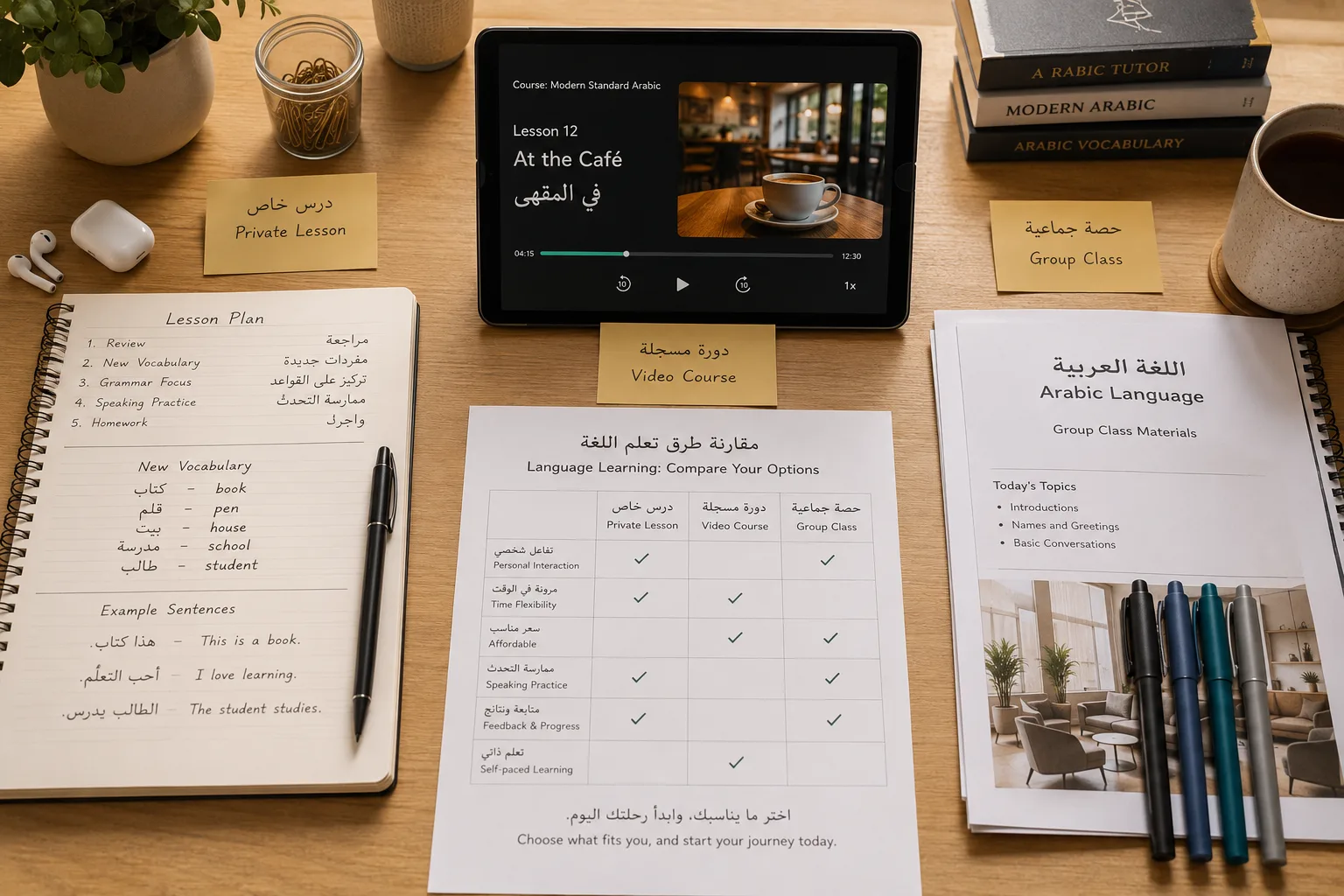
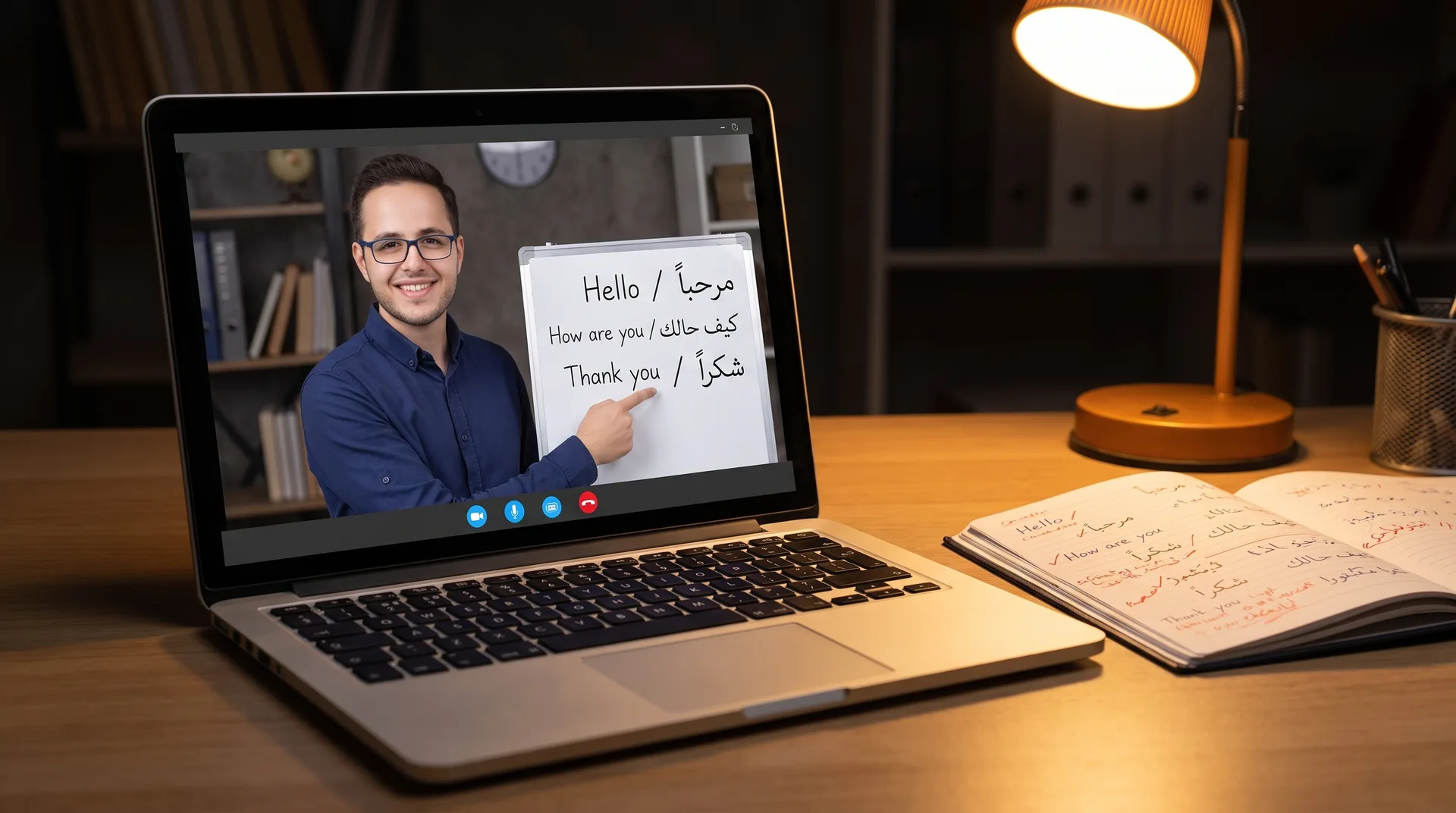
In the private lesson, you are the focus. The teacher listens to your mistakes, adjusts the pace, and chooses topics that suit your interests. Correction is immediate. The conversation is real. This method is suitable for those who want rapid progress in speaking or who have a specific goal such as a job interview or an oral exam.
The only drawback is the relative cost. But an hour of focused private study may be equivalent to ten hours of dispersed self-learning. Book a trial lesson to evaluate for yourself.
Recorded course allows you to learn at 3am or on your lunch break. Review the lesson ten times if necessary. You stop at a difficult point and come back later. This is ideal for those who have a variable schedule or prefer quiet, individual learning.
But the course does not correct your pronunciation or answer your immediate question. It needs to be supplemented with an interactive resource: a weekly lesson or language exchange. Browse courses and choose what matches your level.
In a group class, you learn from the mistakes of others and hear questions that you had not thought of. The sense of community is motivating. The hourly price is often lower than the private one. This is suitable for those who enjoy interaction and are not afraid of speaking in front of others.
The challenge is that your share of speaking time is limited. The teacher distributes attention. If your goal is an intense conversation, a group conversation alone may not be enough. Explore group courses as part of a larger mix.
Speed in conversation: Private first, then group, then recorded
Flexibility in time: Recorded first, then private, then recorded Group
Monthly Cost:Registered or Group Lower, Private Higher
Instant Correction:Private and Group, Recorded Not Provided
Many successful learners combine both formats. A common example: a weekly private lesson for speaking and correction, and a recorded session for review between sessions. Others take a group session twice a month and a private session once to focus on their weaknesses.
The combination depends on your budget and time. The important thing is not to choose one formula just because it is the cheapest or most expensive. Ask: What am I missing now? conversation? structure? Vocabulary?
Whichever formula you choose, start from a correct level. An advanced course and you are a beginner means frustration. A private lesson without knowing your level wastes the first minutes guessing. Free Level Test Standardizes the starting point for all options.
After three months, review: Did you achieve what you expected? If you feel stuck in the conversation despite the recorded session, add a private lesson. If the course is expensive and progress is good, reduce repetition and add recorded review.
Learning is not a contract with one formula. You can switch as your circumstances or goals change.
Determine your level, compare honestly, then try. The test is free The next step is in your hands.
Few progress completely without human interaction. But someone who has a background close to the target language, or who just needs academic reading, may be satisfied with a recorded course and books. Most learners need regular conversation.
Calculate the annual cost, not just the monthly cost. A weekly private lessons package may seem higher than a monthly price but may provide a buyback of resources that are not suitable for you. A recorded course is cheap, but without supplementation it may prolong the time to reach fluency.
How many hours a week can I commit?
Do I learn better alone or with others?
Am I aiming for quick conversation or understanding my readers?
What is my realistic monthly budget?
Answers Honesty leads to a clearer formula or combination than any general comparison table.
A busy employee wants a conversation for work: a weekly private lesson + a short daily review. Student who prefers flexibility: registered course + monthly group. A retiree looking for a community: weekly group + biweekly special for correction.
There is no single answer. There is an answer for this month, with the ability to edit later.
You can start with a recorder and then add a special one when you feel stuck. Or vice versa: private, intense, then collective, to expand. Flexibility in arrangement is an online advantage, not a disadvantage.
Write one resolution: I will try X for four weeks. Check back at the end of the month. A temporary decision reduces anxiety about a permanent mistake.
If you are always postponing the conversation, a recording alone will not be enough. If you are afraid of fixed appointments, group or flexible private appointments are a better option. The formula you stick to is actually the most appropriate.
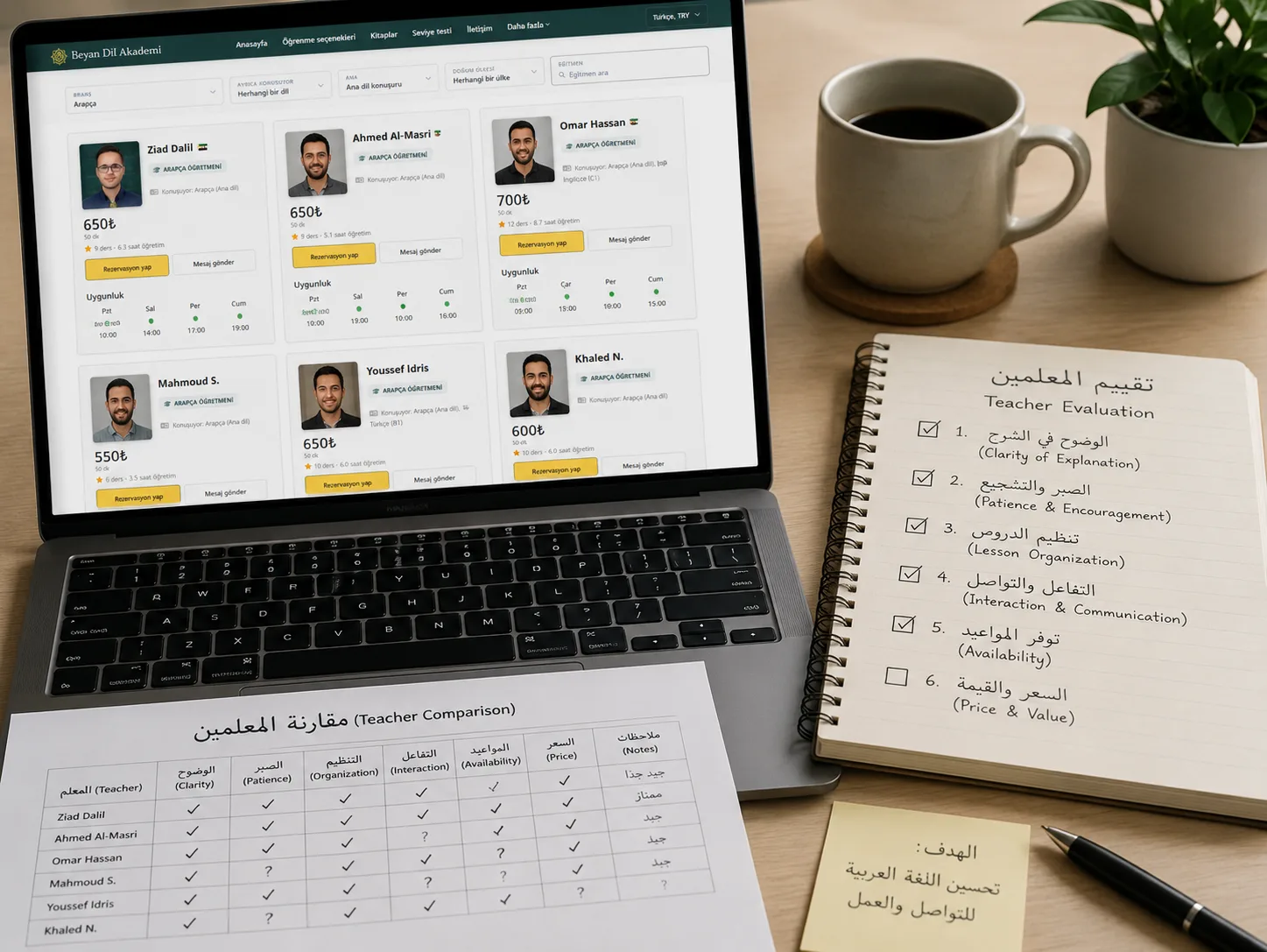
You cannot know the appropriate formula from a table alone. A week with a recorded course and a week with a private lesson give you real data on your style. Invest in limited experience before making a long commitment.
Ask yourself after each experience: Did you wait for this date or postpone it? The formula you are curiously waiting for is often the most appropriate.
There is no perfect formula. There's a formula for you this month. Review your decision every two months and modify without shame.
Choose one formula to try this week. An interim decision is easier than a final decision and gives you real data about your style and current circumstances. After four weeks, he decided with information, not guesswork.