guide
How to start learning a language online?
10 min read
guide
Many people put off learning a new language because they don't know where to start. The Internet is full of resources, and too much choice sometimes feels like a waste. The good news is that getting started does not require a complicated plan. You just need a clear decision and a specific first step.
Online learning is not a weak substitute for traditional learning. It is a different approach that gives you flexibility in time and location, and allows you to choose the teacher or course that suits your style. But this flexibility requires a simple structure from you so that you do not get distracted.
Online teaching provides direct access to teachers from diverse backgrounds. You can book a session in the evening after work, or on the weekend, without having to commute. Recorded courses allow you to review at any time. Group lessons give you a sense of community without the heavy daily commitment.
But most important of all, you control the pace of learning. Some learners need two sessions per week. Others prefer one long session with a short daily review. There is no one formula that is right for everyone.
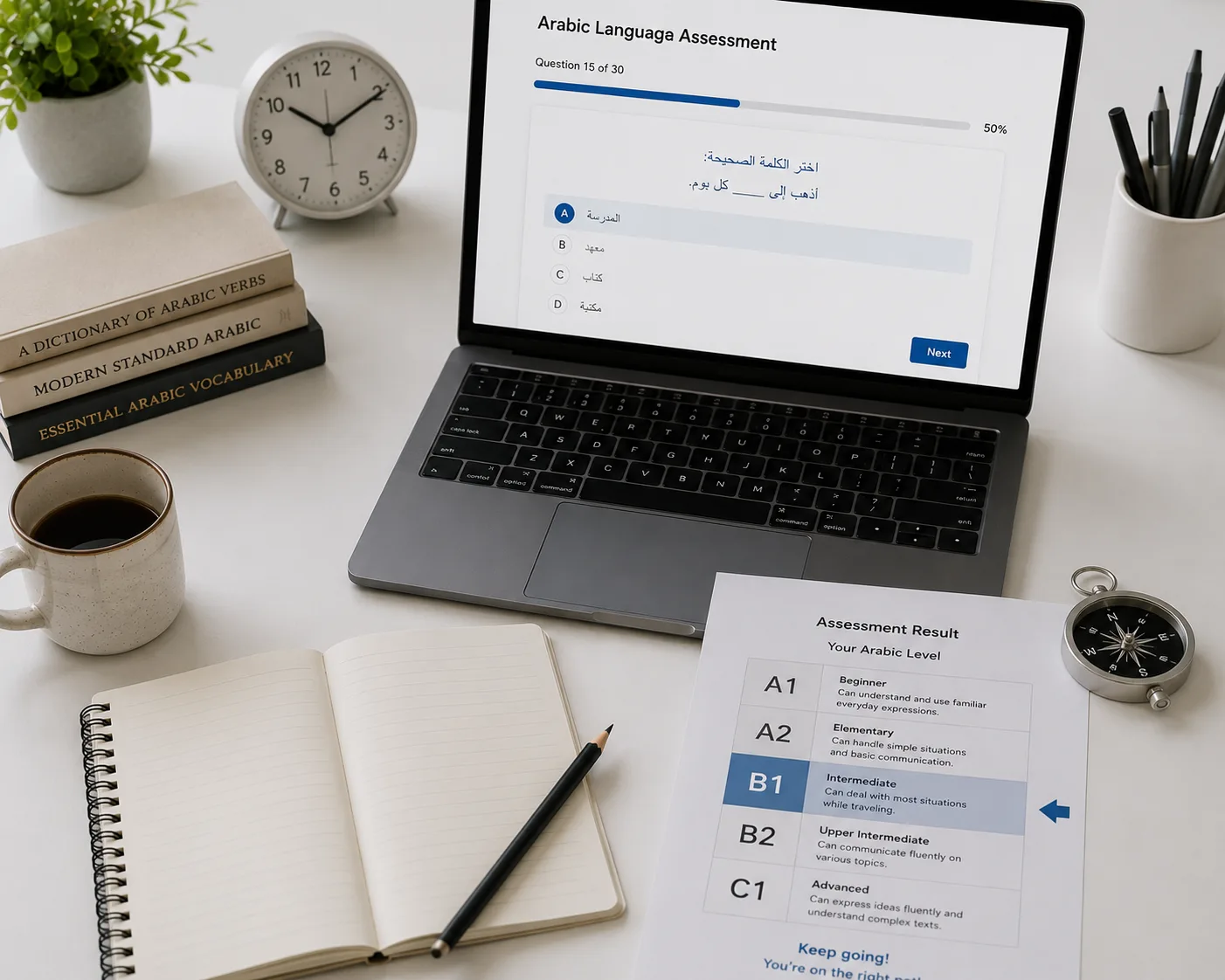
The biggest mistake beginners make is starting at the wrong level. Either they choose a very easy subject and get bored quickly, or they jump to a difficult level and feel frustrated. The placement test solves this problem in minutes.
The test is not a pass or fail test. It is a diagnostic tool that puts you in the right place. It typically measures basic grammar, common vocabulary, and reading comprehension. The result gives you a framework such as A1 or B1 according to European standards, and this helps you and your teacher build a realistic plan.
Start your free level test before you buy any course or book a lesson. Ten minutes now will save you weeks of guessing later.
Before you choose the approach, ask yourself: Why should I learn this language? Purpose changes method. Anyone who wants to converse while traveling needs to focus on listening and oral expression. Those who need the language for work may need specialized vocabulary and formal writing. Those who learn for pleasure can combine reading and listening without time pressure.
Write one measurable goal for the first month. Example: I want to introduce myself and answer simple questions in a five-minute conversation. A small, clear goal is better than a vague dream, such as becoming free within a month.
After knowing your level and goal, choose between three main formats:
Private Lesson: Complete focus on your needs. The tutor immediately corrects your mistakes and builds the conversation around topics of interest.
Recorded course: Complete flexibility. Suitable for those who prefer to learn at separate times and review lessons when needed.
Group Lesson: Practice with other learners at a shared pace. Useful for those who enjoy group interaction.
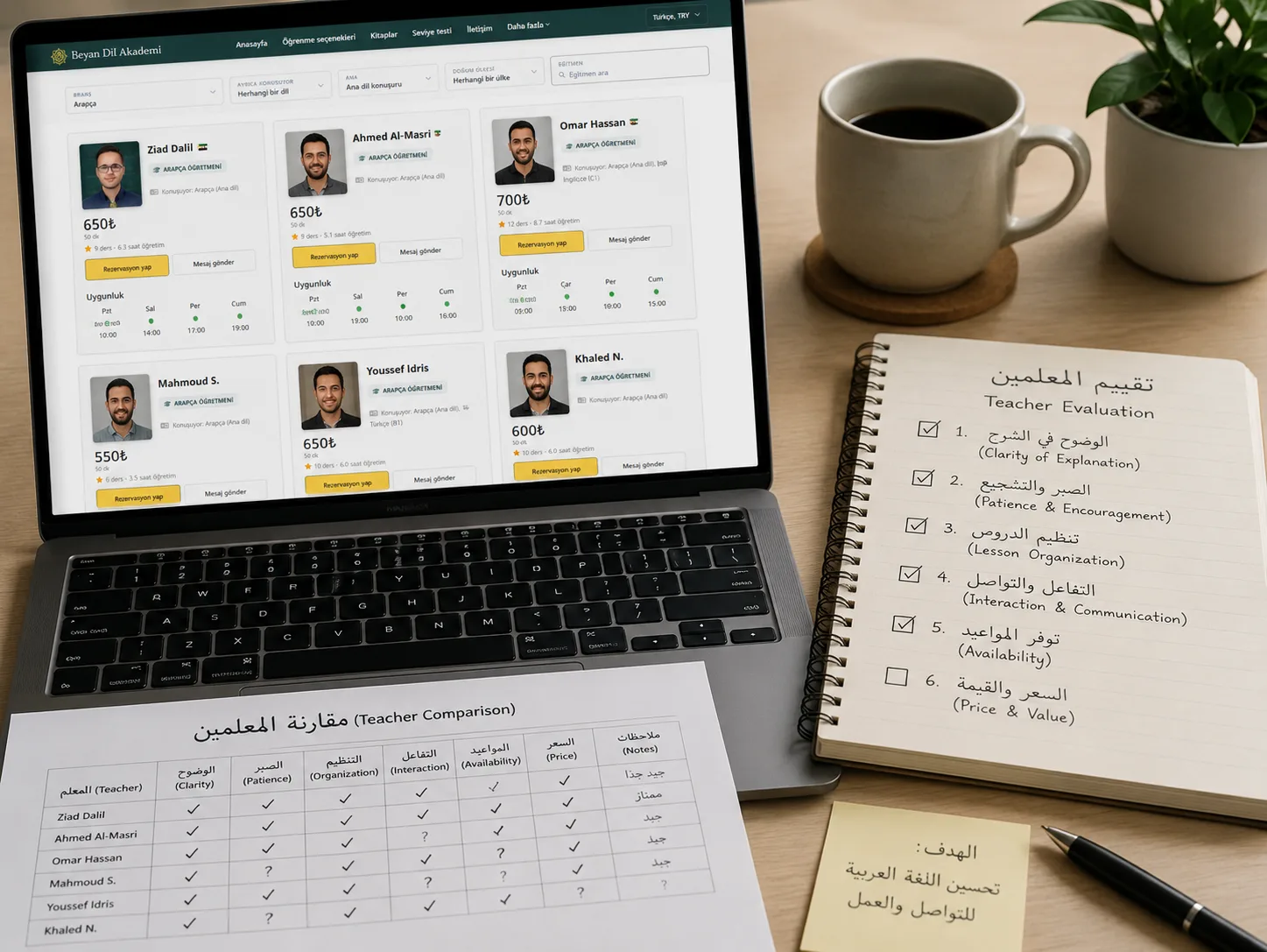
Most learners who want rapid progress in conversation combine a weekly private lesson with a short daily review. Browse teachers and book a trial lesson to see if the style works for you.
You don't need a professional studio. You need a quiet place, a stable internet connection, and good headphones. Try out the camera and microphone before the first lesson so you don't waste time solving technical problems.
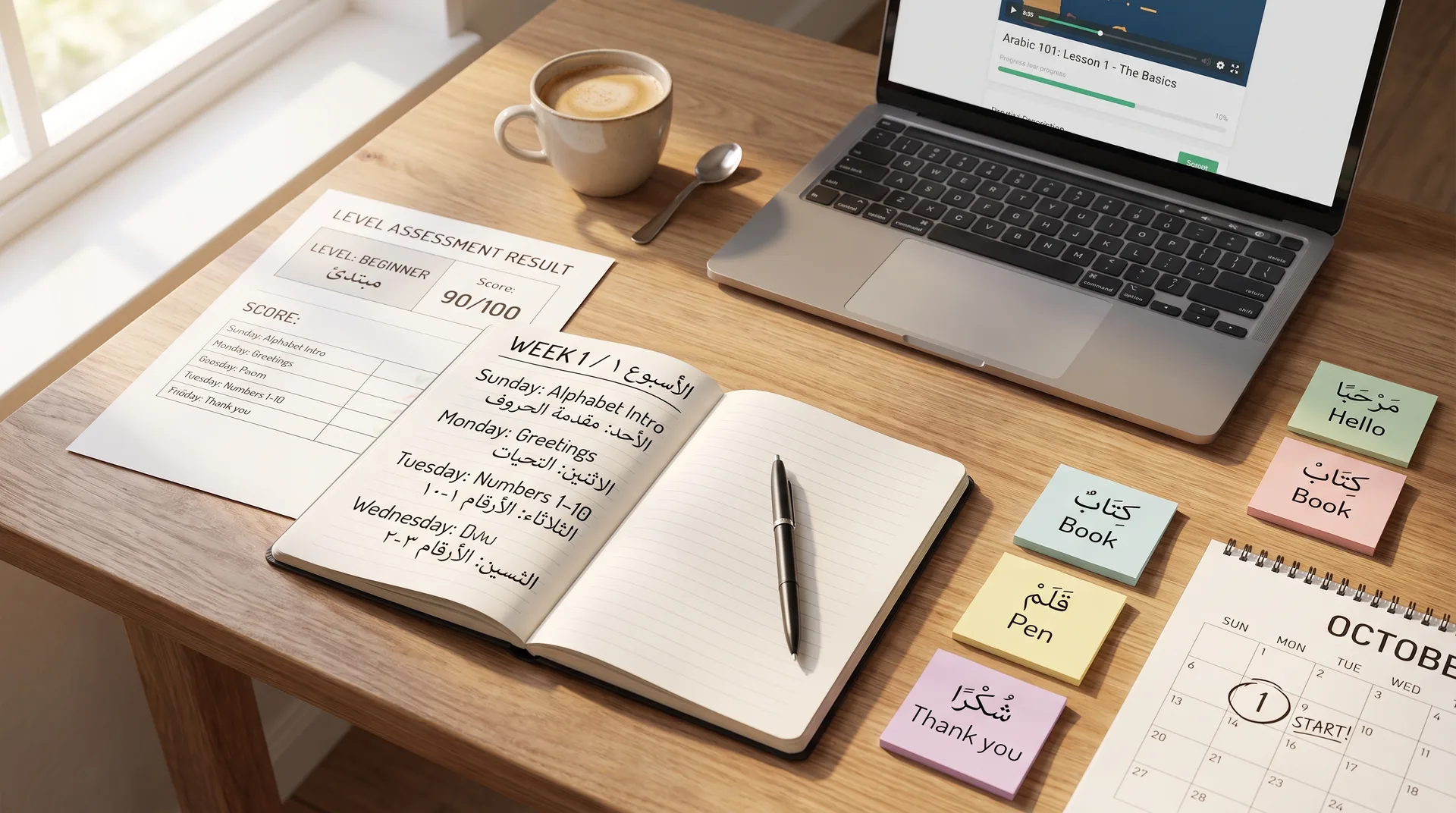
Dedicate a digital or paper notebook to new words and sentences. Write down three sentences each week that you learned from your lessons. This simple recording turns fleeting knowledge into a longer memory.
Continuity is more important than quantity. Three short sessions per week are better than one long session per month. Put the lesson time on the calendar as a work schedule that will not be easily cancelled.
Between lessons, set aside ten minutes a day for review. Listen to a short clip, repeat a sentence out loud, or review the words of the week. This small habit builds a bridge between one session and another.
The first two weeks may feel strange. You get used to the teacher's voice, to the program, to thinking in a new language. This is normal. Don't judge your experience by one lesson.
Give yourself at least three sessions before deciding if the teacher or format is right. If you don't feel comfortable, change the teacher without blaming yourself. The relationship between the learner and the teacher is a decisive factor in success.
Do not rely on feelings alone. Record yourself reading a short passage each month. Compare recordings. You will notice a difference in fluency and pronunciation even if you do not feel it daily.
Retest the level every three months if possible. Tangible progress motivates you to keep going. It also shows you if you need to adjust your plan.
Don't wait for the perfect time. He won't come. Start with a placement test, then book a trial lesson or enroll in a course that matches your score. The first step is the hardest, and then the path becomes clearer.
Determine your level now, then Choose a tutor or Browse courses to start your journey with confidence.
Many are afraid of looking silly in front of the teacher. This feeling is normal, but it slows the onset. Remember, the teacher sees this fear every day. His role is not to judge you, but to help you advance step by step.
Others worry about the technology: the camera, the microphone, the interruption. Try a test call with a friend before your first lesson. Solving technical problems early reduces stress on the day of class.
It's okay to start with free resources to build your curiosity. But be careful: being distracted between ten applications kills continuity. Choose one for daily review, and add a live lesson to the conversation. This combination balances savings and results.
Investing in a weekly private lesson is not a luxury if your goal is to have a conversation within months. You are paying for someone's time to focus on you and correct your mistakes before you become stubborn.
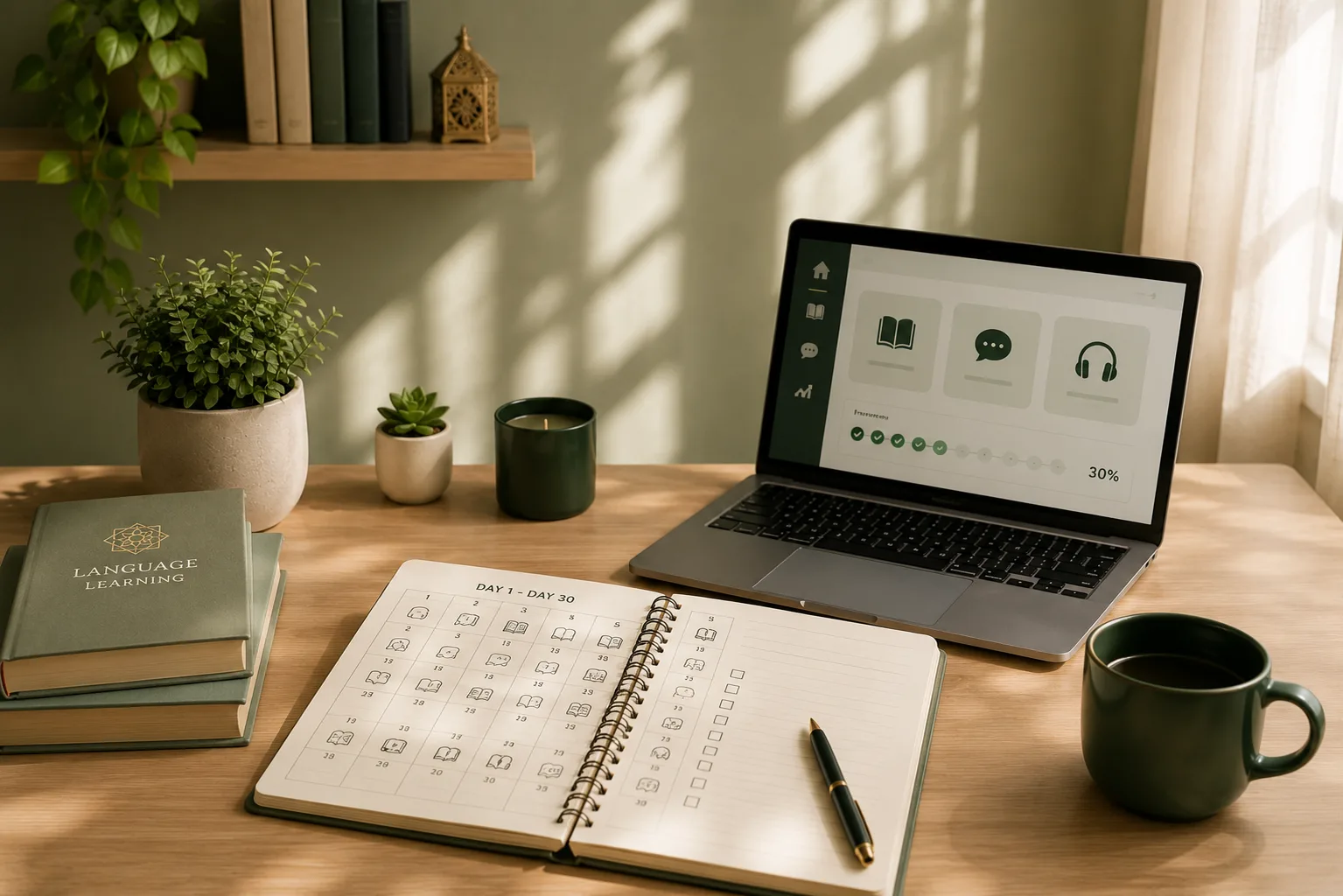
First day: Level test. Day 2: Browse courses or teachers. Day 3: First lesson or first recorded lesson. Day four and five: Ten-minute review. Day Six: Listening. Day 7: Light rest or review. Simple and clear.